
Home Health Care for Wound Management and Ostomy Care


Home health care has become an essential component of modern healthcare delivery, particularly for patients requiring ongoing wound management and ostomy care. These services allow individuals to receive high-quality, specialized medical support in the comfort of their own homes, promoting faster recovery, greater independence, and improved quality of life.
Wound management is a critical aspect of home health care, especially for patients with chronic wounds such as pressure ulcers, diabetic foot ulcers, surgical wounds, or traumatic injuries. When wounds are not properly managed, they can lead to serious complications, including infections, delayed healing, and hospitalization. Home health nurses play a vital role by performing regular wound assessments, cleaning and dressing wounds, monitoring for signs of infection, and implementing evidence-based treatment plans. They also collaborate closely with physicians to adjust care plans as healing progresses, ensuring continuity and safety of care.
One of the key advantages of receiving wound care at home is individualized attention. In a home setting, clinicians can assess environmental factors that may impact healing, such as mobility limitations, nutrition, hygiene, and support systems. This holistic approach allows for tailored interventions that address not only the wound itself but also the underlying conditions that affect recovery. Additionally, patients often feel more relaxed at home, which can positively influence healing and adherence to treatment.
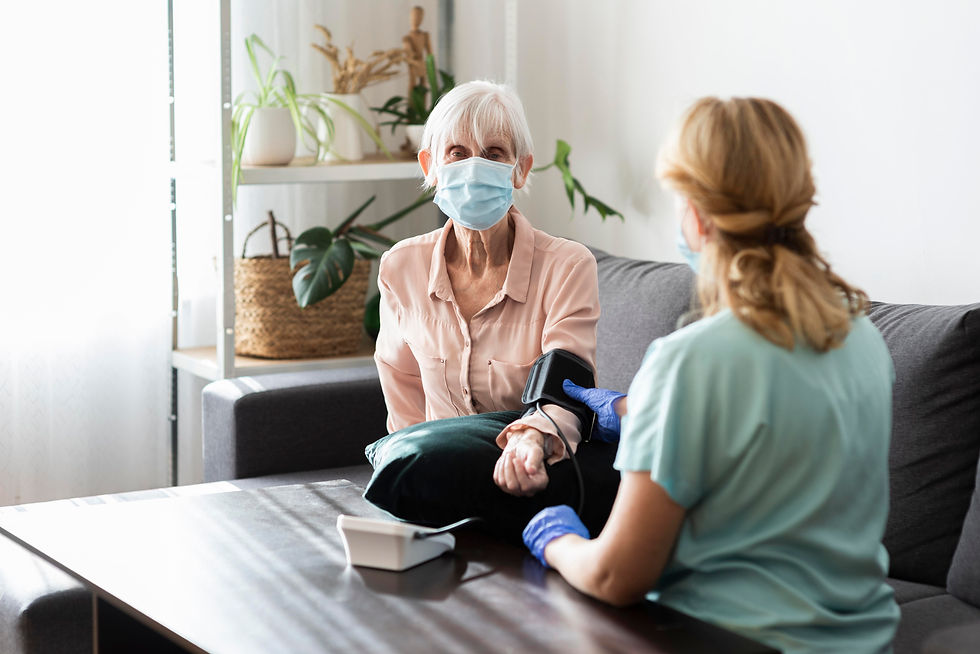
Ostomy care is another specialized service commonly provided through home health care. Patients with ostomies—such as colostomies, ileostomies, or urostomies—often face physical, emotional, and social challenges, particularly during the initial adjustment period after surgery. Home health professionals provide hands-on education and support to help patients and caregivers learn proper ostomy management, including pouch changes, skin care, leakage prevention, and recognizing signs of complications.
Education is a cornerstone of effective ostomy care in the home. Nurses empower patients by teaching them how to manage their ostomy confidently and safely, fostering independence and reducing anxiety. This education extends beyond technical skills to include lifestyle guidance, dietary considerations, and strategies for returning to daily activities. For many patients, this personalized teaching in a familiar environment leads to better long-term outcomes and improved self-esteem.
Another significant benefit of home-based wound and ostomy care is the reduction in hospital readmissions. By providing consistent monitoring, early intervention, and patient education, home health services help prevent complications that often result in emergency visits or rehospitalization. This not only benefits patients but also reduces overall healthcare costs and system strain.
In conclusion, home health care for wound management and ostomy care offers a patient-centered, effective, and compassionate approach to healing. Through skilled clinical care, individualized education, and ongoing support, home health services enhance recovery, promote independence, and improve overall well-being. As healthcare continues to shift toward value-based and patient-focused models, home health care will remain a vital solution for managing complex conditions safely and successfully at home.


Comments